Responding to the Needs of a Disaffected World
Christine Miller
Editor’s Note
 This article was first published in 2005 and revisited several times in the years that followed. Reading it again now, I can see how strongly it anticipated many of the themes that later matured into my work on Love in the Boardroom, Resonant Leadership, and the need for wiser, more humane forms of stewardship in business and society.
 There was a time when becoming an elder was recognised as one of life’s essential passages. As people aged and matured, they were expected not simply to grow older, but to grow wiser: to assume greater responsibility for preserving what mattered, guiding the young, and contributing to the peace, safety and continuity of the wider world.
Younger generations looked to their elders for perspective, discernment and lived understanding. Those who had already walked the path were valued for what experience had taught them. Lore, customs, stories, skills and practical wisdom were passed on. Rites of passage helped people mark transition, identity and belonging. Elders were respected not merely because of age, but because of what age, experience and reflection had ripened within them.
Today, of course, the picture is more complex.
In many fields, younger people have much to teach their elders, especially in a fast-moving digital world. Their fluency, adaptability and instinctive relationship with technology are often remarkable. We do well to remain humble, curious and receptive to what they know. The task now is not to defend age against youth, but to bring generations into wiser relationship with one another.
For what is most needed is not hierarchy, but reciprocity: the life force, creativity and freshness of youth meeting the perspective, steadiness and depth of maturity. When these are brought together with respect, something richer becomes possible.
The Boomer Generation and the Threshold of Elderhood
 Those born into the post-war generation carry a particular burden and blessing as they approach, or fully enter, the age of elderhood.
We have witnessed extraordinary change. Many in the Western world have lived through decades of unprecedented material comfort, technological acceleration and social transformation. Yet alongside that expansion has come a profound erosion of certain sustaining values: love, respect, responsibility, community, mutual support, reverence for life.
We have more, yet often feel less nourished. We acquire more, yet many lives feel inwardly thinner, fragmented or uncertain. Material progress alone has not answered the deeper human need for meaning, belonging and trust.
As our parents and grandparents pass on, the mantle shifts. The question is no longer whether we approve of the world that is emerging, but whether we are willing to help guide it.
* How do we step into leadership with honour?
* How do we preserve what is life-giving for those who come after us?
* How do we stand against greed, depletion, indifference and the casual erosion of human dignity?
These are not abstract questions. They are moral, practical and spiritual ones. They concern family, community, business, education, governance and culture. They concern what kind of world we are normalising, and what kind of future we are leaving behind.
The world does not only need smarter leaders. It needs wiser ones.
A Call to Vision and Action
 This is a call to action on every level: personal, relational, local, organisational, national and global.
We need circles of people willing to think deeply, feel honestly and act responsibly. We need men and women prepared to envision a future rooted not only in innovation and progress, but in preservation, cooperation, dignity and peaceful coexistence. We need an evolution of consciousness mature enough to hold both modern complexity and enduring human values.
For many years I have felt compelled to add my voice to those calling for a more humane, courageous and conscious world: one in which peace is not naïve, compassion is not weakness, and prosperity is not built upon the suffering or exclusion of others.
The wisdom of a generation must not be allowed to evaporate unused.
If maturity is devalued, societies become vulnerable to short-term thinking, reactive leadership and the waste of hard-won human insight. If lived experience is dismissed, we risk placing immense power in hands unprepared for its consequences. And where leadership lacks depth, courage or conscience, the costs are borne by everyone.
Our children and their descendants are already inheriting a world of speed, strain and overstimulation. Without wiser forms of leadership, we risk passing on not progress, but exhaustion.
False Gods and Flawed Devotion
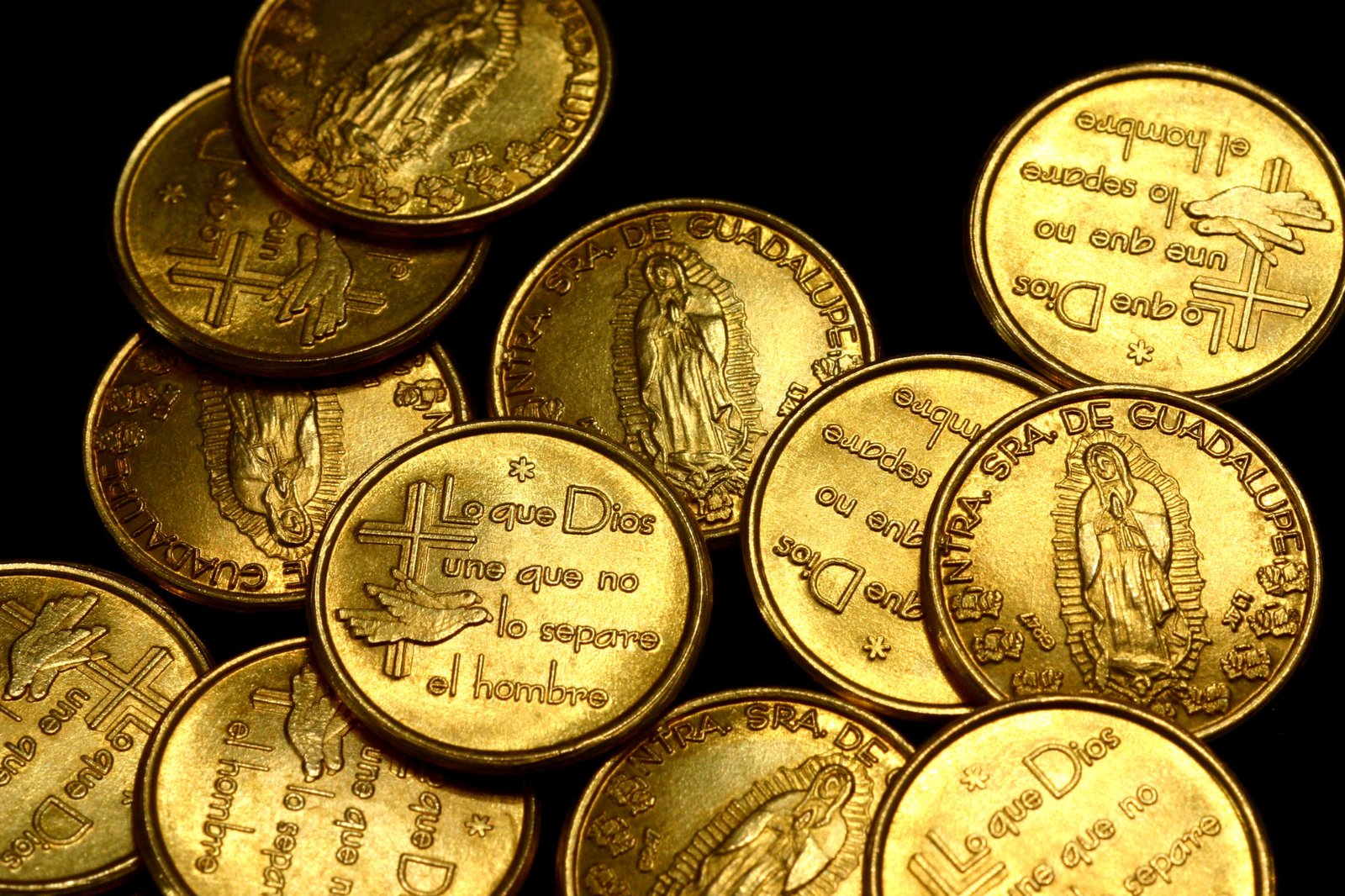 When profit becomes a god, people become expendable.
When materialism becomes a creed, inner poverty grows.
When fear and scarcity shape our collective imagination, division, extraction and suffering multiply.
A civilisation cannot thrive if it worships what diminishes life.
We are seeing the consequences all around us: ecological breakdown, burnout, conflict, alienation, vast inequality, and a loss of trust in institutions and one another. The planet itself appears to be signalling distress. The balance we have ignored is being redrawn in ever more visible ways.
This is not merely a political or economic crisis. It is a crisis of values, perception and leadership.
The Leadership Deficit
For years I have heard concern expressed across different sectors about a leadership deficit: not only a shortage of capable leaders, but a shortage of people willing or prepared to inhabit leadership with depth, integrity and steadiness.
Leadership today requires far more than ambition or technical competence. It asks for discernment, emotional maturity, moral courage and the capacity to remain calm amidst complexity, uncertainty and noise. It asks for the ability to hold vision without domination, authority without arrogance, and responsibility without collapse.
Too often, leadership has been shaped by performance rather than presence, by image rather than substance, by short-term gain rather than long-term stewardship.
What is needed now is not more forceful leadership, but wiser leadership.
Hearts and Minds Belong Together
 One of the great distortions of modern professional life is the expectation that people should leave much of themselves at the door.
A person may be hired because they are imaginative, relational, intuitive, creative, perceptive and fully human — yet once inside the system, only a narrow band of their capacities is deemed acceptable. The rest is sidelined, as though heart, soul and imagination were irrelevant to meaningful work.
This is a profound loss.
In business and organisations, as in society, we cannot afford leadership that is disconnected from humanity. We cannot afford minds that race while hearts remain closed. We cannot continue to organise our systems in ways that exclude the very qualities most needed for renewal: compassion, reflection, courage, reverence, emotional intelligence, wisdom.
The heart and mind were never meant to be adversaries. Nor were the human and the professional.
We cannot afford leadership that is disconnected from humanity.
Becoming Wise Elders Now
 So who becomes a wise elder?
Not only those of a certain age, though age may deepen perspective. A wise elder is anyone willing to stand for clarity, compassion, integrity, forgiveness and responsible action. Anyone willing to mentor, encourage and steady others. Anyone willing to see beyond personal gain and act in service of a wider good.
Yet those of us entering our mature years do carry a particular opportunity — and responsibility.
We can no longer wait to be invited into elderhood by a culture that often does not know how to honour it. We must choose it consciously. We must inhabit it with dignity. We must model what mature leadership looks like: not rigid, self-important or controlling, but calm, discerning, generous and brave.
This does not require a global stage. It may be expressed in families, teams, communities, boardrooms, schools, friendships and local acts of leadership. It may look like mentoring. It may look like moral courage. It may look like listening. It may look like restraint, truth-telling, wise counsel, bridge-building, or the steady refusal to abandon what is human.
If we want future generations to value wisdom, then we must embody it.
If we want more conscious leaders, then we must become examples of conscious leadership.
If we want a more peaceful and life-enhancing world, then our own lives must begin to reflect those values now.
There is urgency in this.
We are being asked to step forward, not in grandiosity, but in service. Not because we are flawless, but because we are willing. Not because we know everything, but because we have lived enough to know what matters.
To become a wise elder is to accept responsibility for the tone we set, the values we transmit, and the future we help shape.
It is to live with courage, honesty, humility and compassion.
And perhaps above all, it is to remember that wisdom is not a private possession, but a living inheritance, one we are called to embody, steward and pass on.
From Reflection to Practice

These reflections did not remain theoretical. In 2016, I created and led a small-group retreat titled Elder Wisdom, designed for those in their middle years and beyond, in order to bring the experience, insight and wisdom of our generation into greater focus.
Participants were invited to discover their inner strengths and enduring talents, and to explore how these could be applied more fully as they moved into the elder years. The retreat affirmed that our value does not diminish with age. Rather, our capacity for contribution deepens.
Through our fifties, sixties, seventies, eighties and beyond, we continue to carry gifts that matter, not only for our own lives, but for the wider transformation and evolution of society and humanity.
Its central invitation was simple and profound:
Learn to live your legacy, and appreciate its continuing growth and importance in our world.
Why this matters now
 The questions at the heart of this piece remain with us, perhaps more urgently than ever.
What kind of leadership does this world now require?
How do we restore wisdom, compassion and responsibility to the places where decisions are made?
How do we honour both the freshness of youth and the depth of mature experience?
My work in Love in the Boardroom has grown from these same concerns.
Increasingly, I believe the world does not only need smarter leaders. It needs wiser ones: people capable of bringing discernment, humanity, courage and care into the systems they shape.
To become a wise elder — whether in a family, a community, an organisation or a boardroom — is to choose stewardship over status, service over self-importance, and long-term flourishing over short-term gain.
That, for me, is one of the living threads connecting this earlier article with the work I continue today.
Christine Miller
First published in ReSource Magazine (2005), subsequently revised. This edition has been further adapted for current publication.

Leave a Reply